
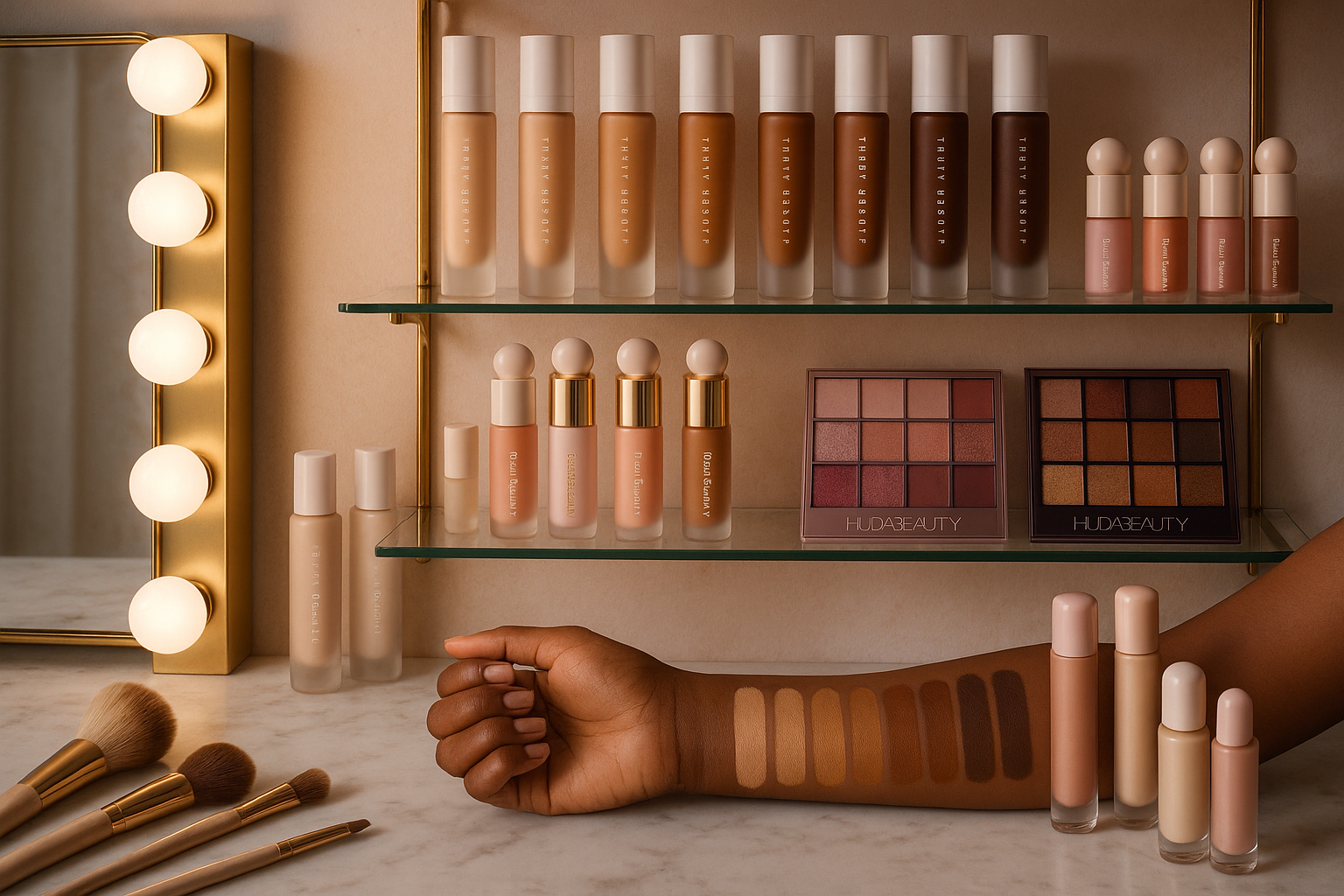
In recent years, many celebrities have launched their own beauty brands — ranging from full makeup lines to skincare and wellness collections. For many buyers, these brands offer the allure of “celebrity glamour.” But do they live up to the hype? And are they always better than non-celebrity brands? Let’s break it down.
✅ What’s Good About Celebrity Beauty Brands
• Innovation, inclusivity & mainstream influence
Some of the most successful celeb-backed brands have genuinely changed beauty norms. For example, Fenty Beauty — founded by Rihanna — is widely praised for offering a very wide range of foundation/shade options to suit diverse skin tones. That inclusivity helped set a new standard in beauty. beauty style magazine+2Beauty Packaging+2
Similarly, Rare Beauty (by Selena Gomez) has gained popularity not just for aesthetics but for its messaging: the brand emphasizes real skin, self-love, mental health awareness, and a natural-beauty ethos that resonates with many users. Wikipedia+1
• High marketing power & trend-setting
Because celebrities already have huge reach and influence — especially on social media — their beauty brands often enjoy massive visibility, quick brand growth, and broad availability. The overall growth of celebrity beauty brands has outpaced the general beauty market in recent years. The Economic Times+1
This visibility sometimes results in strong brand loyalty — fans buying products not just for quality but for the association with the celebrity’s image or values.
• Some genuinely good & performance-oriented products
Not all celeb brands are superficial. There are foundation, blush, lip, and skin-care products that perform comparably to high-end standalone cosmetics. For example:
-
Rare Beauty Soft Pinch Liquid Blush — known for natural-looking flush, easy blending, and suitability for multiple skin types.
-
Charlotte Tilbury Airbrush Flawless Foundation — though not a “celebrity-pop” brand, represents the level of finish that good cosmetics should aim for (smooth skin, balanced coverage).
These show that beauty products — celebrity-owned or not — can offer real value when formulated well and tested properly.
⚠️ What’s Not Always Great: Common Problems & Criticisms
• Overhyped, overpriced products — sometimes “branding over substance”
A common criticism is that some celebrity brands rely more on the celebrity name than genuine quality. The market now has so many “celebrity-owned” options that some consumers feel inundated with choices — yet a few products fail to deliver as promised. Breanna Beauty+1
For example, some founders launch full cosmetic lines despite lacking expertise in formulation or cosmetics. These launches can lead to inconsistent quality or results that don’t beat mid-range non-celeb labels.
• Mixed or hit-and-miss performance across skin types / needs
Because celeb brands often target a mass audience, not every product works for everyone. There are reports (from consumers and online forums) that even popular picks like foundations or blushes from celeb lines may not suit sensitive skin, or may cause breakouts — something traditional dermatology-tested products sometimes avoid. Reddit+1
Also, some users find the finishes too “made-up,” too heavy, or “stage-ready” — not always practical for everyday natural looks.
• Brand reputation and controversies may matter
Some celebrity brands have faced backlash due to controversies — whether product-related (e.g., complaints about ingredient safety or misleading advertising) or public perception around the celebrity. For example, one large celebrity beauty brand was criticized in the past for problematic marketing regarding skin-lightening/home-remedy advice. Wikipedia+1
That means even good products might come with baggage — something to consider if brand values matter to you.
🌐 Standout Celebrity-Owned Brands (Pros & Cons)
| Brand | What Works / Strengths | What to Watch Out / Criticisms |
|---|---|---|
| Fenty Beauty (Rihanna) | Extremely inclusive shade range; strong foundation & multipurpose products; trend-setter | Some formulas may be heavy or clogging for sensitive skin; hype sometimes outweighs need |
| Rare Beauty (Selena Gomez) | Natural, skin-friendly makeup; good for everyday wear; inclusive & mental-health friendly branding | Limited “glam” finish; some users dislike blush/eyeshadow longevity |
| Huda Beauty | Strong social media presence; bold products for dramatic makeup | Previous controversies (ingredient safety, marketing missteps) hurt trust Wikipedia+1 |
| Other/Newer Celebrity Brands | Sometimes offer niche products, or try to address gaps (skincare, niche tone ranges) | Might lack consistency, shade variety, or proven track record; quality varies widely Breanna Beauty+1 |
🎯 How to Approach Celebrity Beauty Brands — Smart Buying Tips
If you’re shopping for celeb-owned cosmetics, here are some guidelines to get the best outcome and avoid disappointment:
-
Focus on product quality, not just celeb name. Assess ingredient lists, skin-tone match, and perform patch-tests (especially if you have sensitive skin).
-
Don’t assume “one size fits all.” What’s hyped on Instagram may not suit your skin type or daily needs. Try to find unbiased user reviews (rather than influencer ads).
-
Compare with non-celebrity brands. Sometimes mid-range, non-famous labels offer equal or better results — don’t skip those simply because they’re not tied to a celebrity.
-
Check shade range and inclusivity. If you have deeper skin tones or non-standard skin undertones, choose brands known for inclusivity rather than only appearance or hype.
-
Be rational about “limited edition” and hype. Many celeb brands rely on scarcity marketing — good for sales, but not always good for consumers. Buy what you need, not what’s trending.
✅ My Overall Verdict: Good Enough — but Buyer Beware
Celebrity beauty brands can deliver — many do offer high-quality, inclusive, and modern cosmetics that empower users to experiment with makeup and self-expression. Brands like Fenty Beauty and Rare Beauty especially stand out for pushing boundaries and prioritizing diversity.
However, the success depends heavily on which product you choose, your skin type, and your expectations. Not every celeb-labelled lipstick, blush, or foundation will be a holy grail — some may disappoint. If you approach with eyes open, test carefully, and compare objectively, celebrity beauty brands can be a worthwhile addition to your collection. But they’re not a guarantee of “perfection” just because a big name stands behind them.