
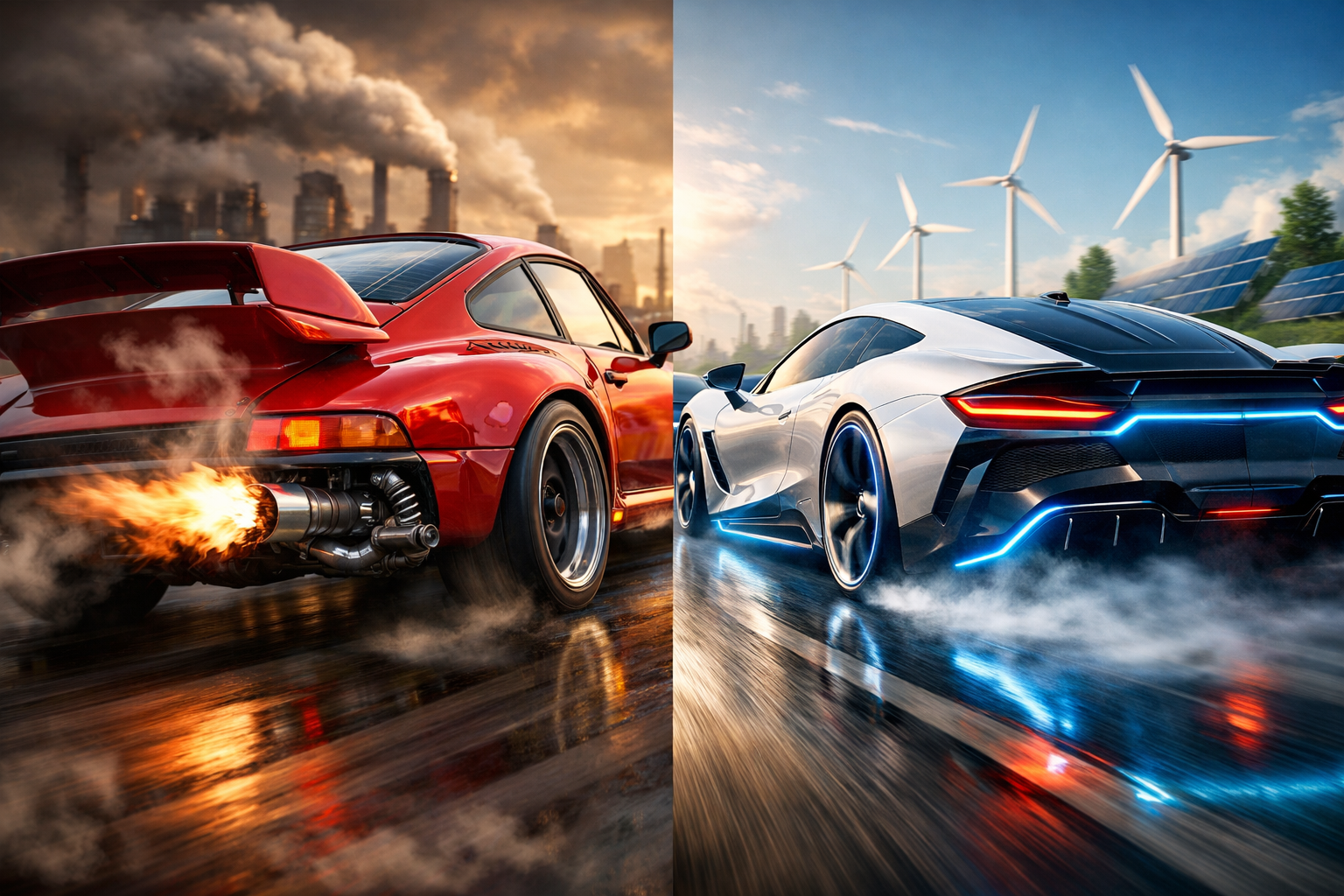
The debate between Japanese sports cars and European sports cars has divided car enthusiasts for decades. Both regions have produced legendary machines, yet their philosophies, engineering approaches, and driving experiences are very different.
So which one is better? The answer depends on what kind of driver you are.
Let’s break it down.
Engineering Philosophy: Precision vs Passion
Japanese Sports Cars
Japanese manufacturers focus heavily on engineering efficiency, balance, and reliability. Their sports cars are often designed to perform consistently under stress, whether on the track or daily roads.
Key traits include:
- Over-engineered components
- High reliability even at high RPM
- Strong focus on driver control and balance
Japanese sports cars are built to last—and to be driven hard without fear.
European Sports Cars
European sports cars prioritize emotion, heritage, and refinement. Performance is important, but so is how the car feels, sounds, and looks.
Key traits include:
- Advanced materials and luxury interiors
- Focus on high-speed stability and comfort
- Strong motorsport and brand legacy
European sports cars often feel like works of art as much as performance machines.
Performance & Driving Experience
Japanese Sports Cars
- Smooth power delivery
- Excellent handling and balance
- Often lighter and more agile
- Easy to push to the limit
These cars reward skill and precision, making them popular among purists and track enthusiasts.
European Sports Cars
- Strong torque and high top-end power
- Sophisticated suspension and chassis tech
- High-speed confidence
- More refined and planted feel
They shine on highways, racetracks, and long-distance drives.
Reliability & Ownership
Japanese Sports Cars
Japanese sports cars are famous for:
- Lower maintenance costs
- Long-term reliability
- Affordable spare parts
They’re often considered stress-free performance cars, suitable for daily use.
European Sports Cars
European sports cars:
- Offer premium ownership experience
- Require more maintenance
- Can be expensive to repair
They reward owners who value luxury and brand prestige, but ownership costs are higher.
Design & Styling
Japanese Sports Cars
- Functional and aerodynamic design
- Clean lines focused on performance
- Less flashy, more purposeful
Their beauty often lies in simplicity and intent.
European Sports Cars
- Bold, emotional, and dramatic styling
- Strong attention to detail
- Interiors feel premium and handcrafted
European cars are designed to turn heads everywhere.
Tuning & Modification Culture
Japanese Sports Cars
Japan dominates the tuning and modification scene:
- Engines built to handle extra power
- Massive aftermarket support
- Ideal for customization
This makes Japanese sports cars a favorite among enthusiasts who love personalization.
European Sports Cars
European sports cars:
- Are often optimized from the factory
- Offer limited tuning flexibility
- Focus on stock performance perfection
They’re built to be enjoyed as-is rather than heavily modified.
Price & Value
Japanese Sports Cars
- More affordable entry points
- Better value for money
- Strong performance per cost
Perfect for buyers who want maximum performance without overspending.
European Sports Cars
- Premium pricing
- Strong brand value
- Higher resale in some segments
They appeal to buyers who value status and exclusivity.
Which One Should You Choose?
Choose Japanese sports cars if you want:
- Reliability and low ownership costs
- Balanced handling and tunability
- A pure driver-focused experience
Choose European sports cars if you want:
- Luxury and brand prestige
- Emotional design and sound
- Advanced performance technology
Final Thoughts
Japanese and European sports cars represent two different interpretations of performance. One focuses on precision, reliability, and engineering purity, while the other emphasizes passion, luxury, and heritage.
There’s no clear winner—only what suits your driving style and personality.