
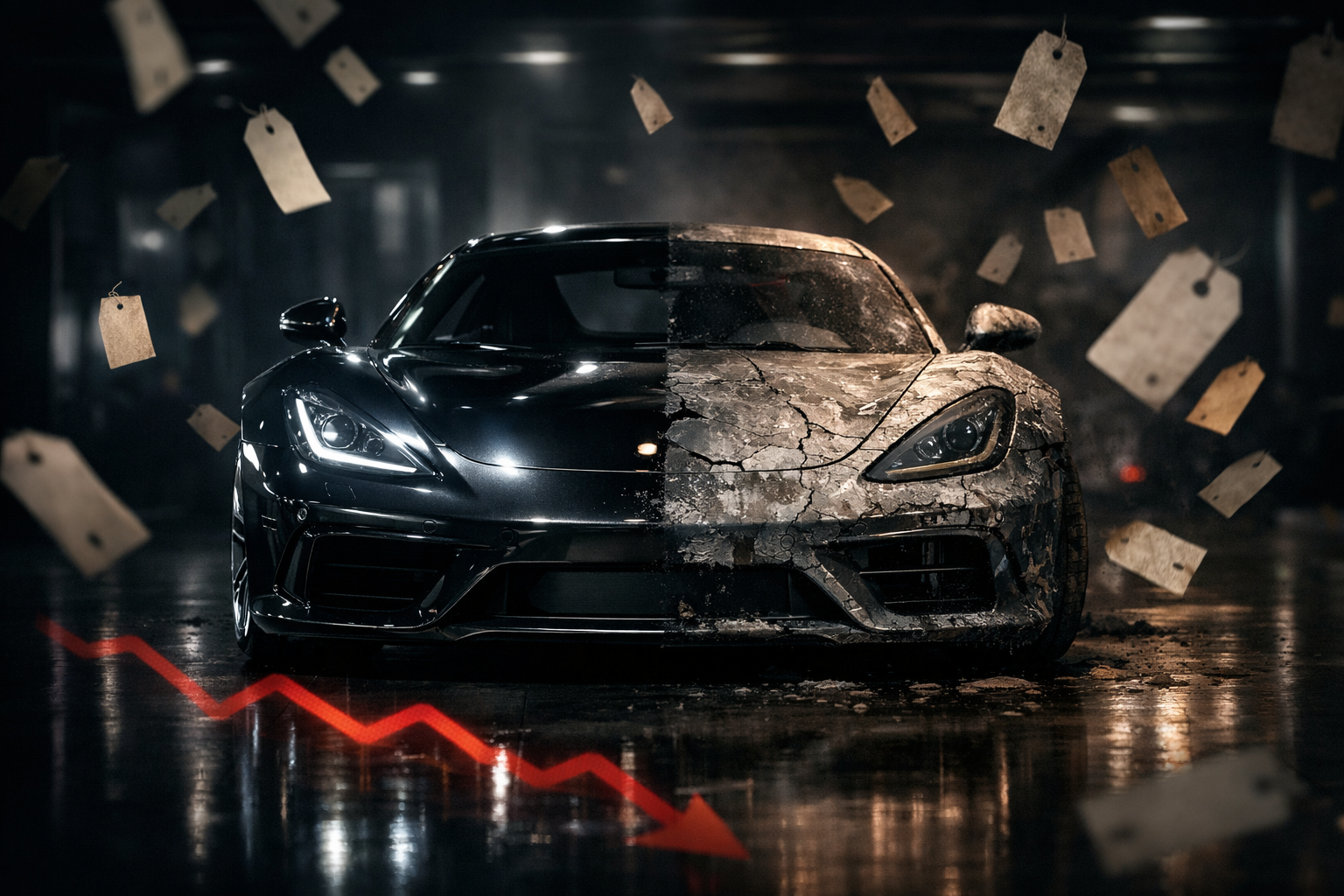
Buying a sports car is often an emotional decision—but when it comes time to sell, depreciation can be brutal. While some sports cars hold or even increase their value, others lose value surprisingly fast, even if they offer strong performance.
So why does this happen? Let’s break down the key reasons.
1. High Initial Price and Luxury Markup
Many sports cars are launched with premium pricing due to brand value, advanced technology, and luxury features. Once the “new car” excitement fades, resale prices drop sharply.
Buyers in the used market are far more price-sensitive.
2. Expensive Maintenance and Repair Costs
Sports cars that are costly to maintain tend to depreciate faster. Potential buyers factor in service, parts, and repair expenses.
If ownership looks stressful, resale demand drops.
3. Poor Reliability Reputation
Even rumors of reliability issues can hurt resale value. Sports cars known for frequent breakdowns or expensive repairs lose buyer confidence quickly.
Perception often matters as much as reality.
4. Rapid Technology Changes
Modern sports cars rely heavily on technology. When new models arrive with better infotainment, safety systems, or performance upgrades, older versions feel outdated fast.
Technology ages quicker than mechanical performance.
5. Overproduction and Lack of Rarity
Sports cars produced in large numbers are easier to find in the used market. Without scarcity, prices fall.
Limited-production models usually hold value better.
6. Niche Appeal and Limited Audience
Some sports cars are designed for a very specific type of driver. While enthusiasts may love them, mainstream buyers may not.
Smaller buyer pools lead to faster depreciation.
7. Unpopular Design or Styling
Design plays a big role in resale value. Cars with controversial or polarizing looks often struggle in the used market.
Timeless design ages better—and holds value longer.
8. High Insurance Costs
Sports cars with high insurance premiums discourage second-hand buyers. This reduces demand and accelerates depreciation.
9. Brand Perception and Market Trust
Brands known for reliability and resale value retain demand. Others suffer quicker depreciation, even if performance is strong.
Trust takes years to build—and minutes to lose.
10. Changing Market Trends
Market preferences change. As buyers shift toward electric vehicles, hybrids, or SUVs, demand for certain sports cars drops.
Less demand equals lower resale value.
Why Some Sports Cars Hold Value Better
Cars that resist depreciation often have:
- Strong reliability
- Limited production
- Timeless design
- Cultural or motorsport significance
- Enthusiast demand
These factors create long-term desirability.
Final Thoughts
Sports cars lose value fast when ownership feels risky or impractical. Performance alone isn’t enough—buyers want reliability, manageable costs, and lasting appeal.
Understanding depreciation helps buyers make smarter decisions—and avoid costly regrets.