
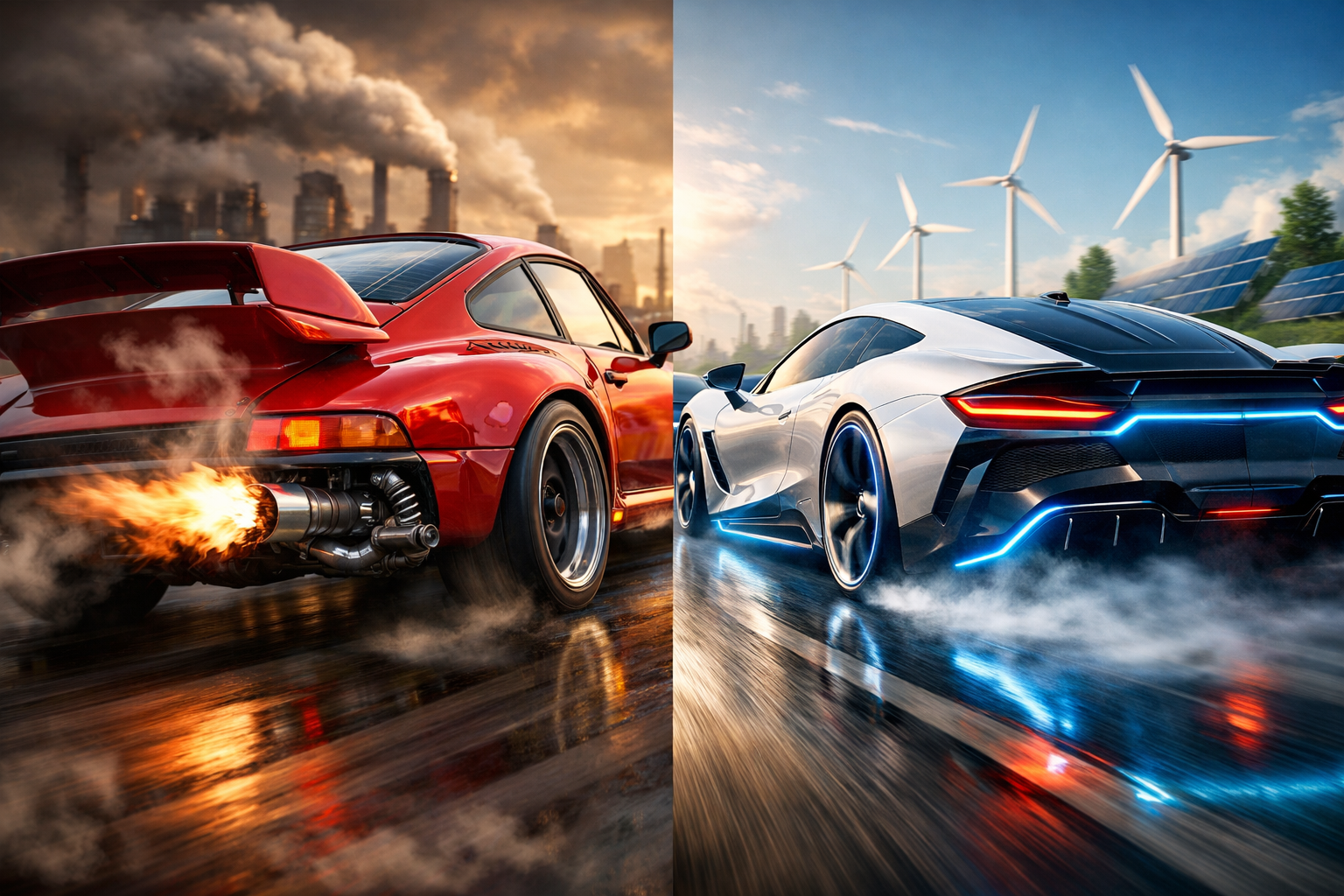
Sports cars have always been about thrilling performance, roaring engines, and emotional driving experiences. But as governments around the world tighten emission regulations to fight climate change and improve air quality, the sports car world is undergoing one of its biggest transformations in decades.
Let’s break down how emission rules are reshaping sports cars—and what it means for enthusiasts.
🌍 Why Emission Rules Matter
Modern emission regulations focus on reducing pollutants like CO₂, NOx (nitrogen oxides), and particulate matter from vehicle exhaust. These rules push automakers to find ways to cut emissions while still delivering power and performance.
Automakers that fail to meet targets can face heavy fines or legal consequences, which drives strategic changes in technology and design.
🚘 1. Downsizing and Engine Efficiency
Traditional sports cars often relied on large, high-displacement engines (like V8s and V12s) to produce raw power. But strict emissions targets reduce tolerance for high fuel consumption and CO₂ output.
This has led to:
- Smaller turbocharged engines replacing larger naturally aspirated ones
- Direct injection and advanced combustion tech to maximize efficiency
- Increased use of lightweight materials to improve power-to-weight and lower emissions
Even performance divisions like BMW M have to work hard to meet upcoming standards without sacrificing character. Some manufacturers are adapting their high-performance inline-six and V-8 engines to comply while maintaining performance.
⚡ 2. Hybridization Is Becoming Common
Hybrid powertrains (which combine electric motors with combustion engines) are a major tool for meeting emission standards. They allow sports cars to:
- Lower emissions in city driving
- Boost acceleration with electric torque
- Meet stringent real-world fuel economy tests
Even legendary performance brands are exploring mild hybrids, strong hybrids, and plug-in systems to balance emissions with power.
🔋 3. Rise of Electrification
Emission rules are a key reason why electric sports cars are gaining traction. EVs produce zero tailpipe emissions, making them attractive under strict CO₂ limits.
Many iconic sports car makers are investing in electric performance vehicles that can still deliver impressive acceleration and handling—even if they don’t have the traditional engine noise enthusiasts love.
Some regions plan to phase out new petrol and diesel car sales altogether by 2035 or earlier to reduce emissions, which accelerates electrification adoption. (Although there is ongoing debate in some markets about delaying or easing those bans.)
🏎️ 4. Impact on Design and Sound
Emission regulations influence engine architecture, exhaust tuning, and aero design. For example:
- Complex exhaust after-treatment systems are needed to reduce pollutants.
- Aerodynamic tweaks improve efficiency and lower drag.
- Traditional engine sounds are harder to achieve as combustion engines become cleaner or move to electrified systems.
This pushes designers to find creative ways to retain character while staying compliant.
⚖️ 5. Cost and Model Lineup Changes
Stricter emission rules raise development costs. Some sports car models may be discontinued because it’s not financially viable to update them to new standards.
Manufacturers must decide whether to:
- Invest in costly compliance upgrades
- Shift to hybrid or electric variants
- Phase out less profitable sports models
🧩 6. Consumer Preferences and Long-Term Change
As emission norms tighten year after year (for example, CO₂ targets are set to drop significantly from 2027-2031 in some regions), consumer expectations are also changing. People increasingly demand greener vehicles without compromising performance.
This shift, combined with regulation, encourages manufacturers to innovate faster.
🔮 The Future of Sports Cars
Emission regulations are not the end of thrilling performance—they’re reshaping it:
- Electric and hybrid sports cars will continue to rise
- Engineers will extract more power from cleaner platforms
- Classic high-revving engines may become rarer, but more special
- New tech will keep performance and environmental goals aligned
Gone are the days when emissions were an afterthought. Today, they are a core part of sports car engineering—and that’s driving some of the most exciting innovation in decades.
Final Thoughts
Emission rules are pushing sports cars into a new era. While tradition and performance remain important, sustainability now plays a major role in how these vehicles are designed, built, and experienced.
The dream of thrilling performance is evolving, not disappearing—just in cleaner, smarter ways.